Island stories / Local Life · Growers and food culture
USVI Farmers Markets, Agriculture Fairs & Local Food Events
Meet the growers, public squares and agriculture fairs behind Virgin Islands food, with practical ways to find a market and plan a visit.
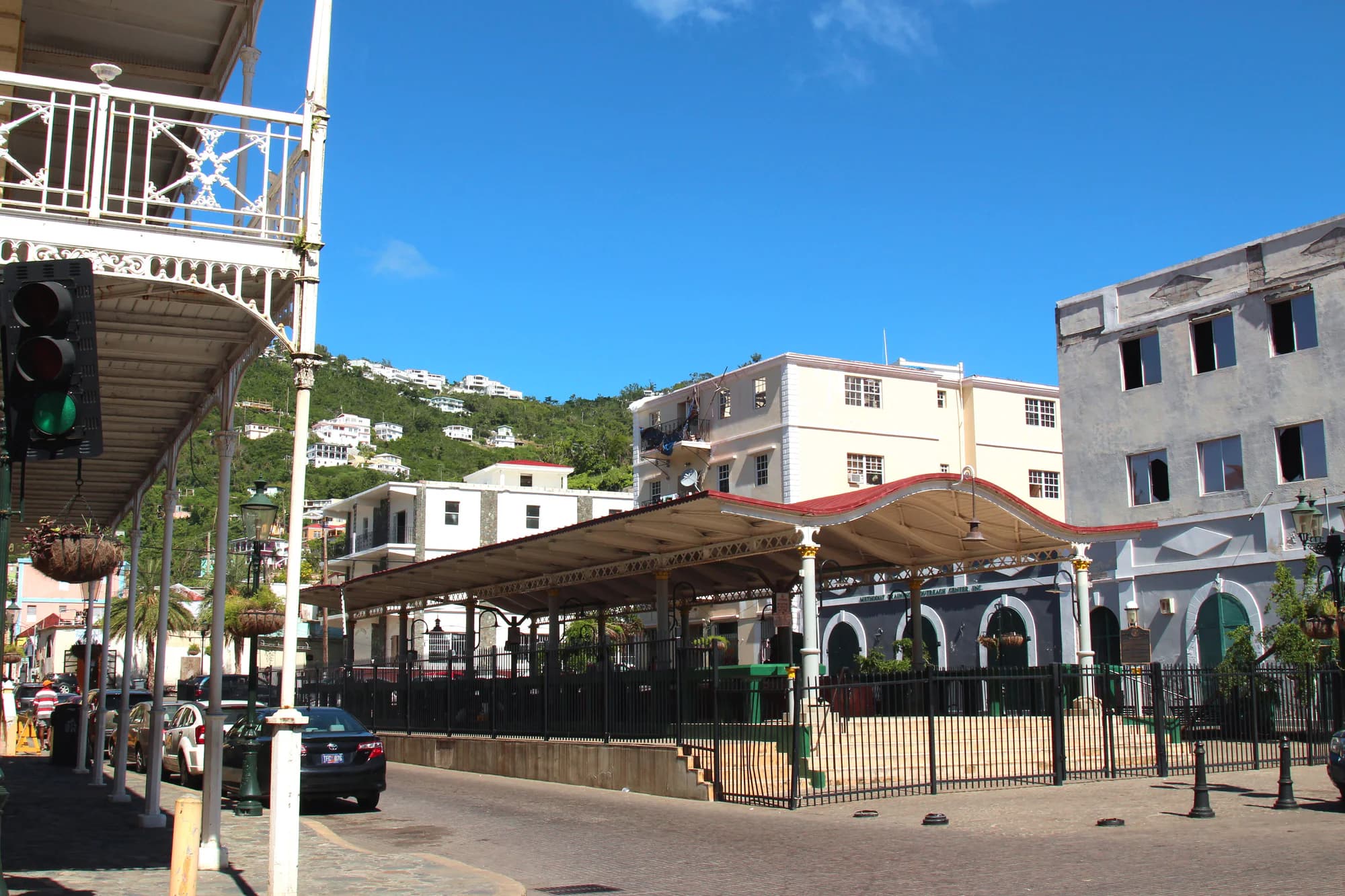
Agriculture in the Virgin Islands is smaller, more personal, and more changeable than a supermarket directory makes it look. A market may be tied to a public square, fairground, grower network, or one-day community program. This guide explains where to look, what the events contribute locally, and why the final schedule must come from the farmer, organizer, or responsible agency.
01
The fairgrounds and public squares matter
Market Square in Charlotte Amalie, the Rudolph Shulterbrandt Agricultural Complex on St. Croix, and community spaces such as Frank Powell Park are part of the territory's agriculture map. Some have long market associations; others host particular fairs and community programs.
Choose the place for its food and local story, then check that a market is scheduled for your day. A square can be worth knowing even between events, but a market trip depends on the current organizer's notice.
02
Agriculture fairs are community infrastructure
A USVI agriculture fair can combine grower sales with demonstrations, youth activities, health services, music, food, and institutional support. The St. John Health and Agriculture Fair, for example, was announced directly by the Virgin Islands Department of Agriculture as a collaboration with the island's community health center.
Annual festivals can also introduce a farm or producer network. Look through the organizer's program for the growers, demonstrations and activities that would make the trip worthwhile for you.
03
Make room for the people behind the food
Arrive with reusable bags, ask growers what is in season, and follow the payment guidance published by the organizer. If you are traveling across an island for a market, confirm the schedule first and keep another locally owned stop in the same area as a fallback.
A conversation at a grower's table can add context to the ingredients you meet later in an island kitchen. Pair the market with a nearby food stop instead of building the day around finding one particular item.
Your version of this day starts here.
Choose your island. Bring your own questions.
Know before you go
Before you set out
01
Find a date that fits
Open the Local Life calendar for announced dates, then use the organizer's page for arrival details and changes.
02
Use market directories as leads
A directory can identify a market name or place. Confirm the current day, hours, vendor participation, and payment expectations with the responsible market or grower network.
03
Bring curiosity, not inventory assumptions
Season, weather and harvest shape the table. Ask growers what is ready, and leave room to discover something you did not come looking for.
What holds, and what to check
Stays true
Growers are the story
Agriculture fairs and grower-led markets connect residents with local produce, food traditions, school programs, and the territory's farming organizations.
Ask them directly
Weekly is not forever
A familiar market name is a starting point. Check this week's date and hours with the market or grower before crossing the island.
Local context
An event can be more than a market
Health screenings, demonstrations, music, youth activities, and farmer education often sit beside produce sales. The direct event notice defines what is actually offered.
Compare these options
Local agriculture starting points
VIDA community fairs
Official Department of Agriculture notices are the strongest source for agency-led agriculture programs.
VI Agriculture Business Center
A useful territory-wide lead for named markets; recurring schedules still require direct confirmation.
Grower and festival organizers
Direct organizer pages should settle dates, programs, access, and last-minute changes.
What to confirm
Confirm the market before you travel
Treat every schedule and product list as changeable until the responsible source confirms it.
- Current date and operating window
- Exact entrance or market location
- Weather or postponement notice
- Payment methods accepted by vendors
- Parking or transport plan
- What to bring for carrying purchases
Where this came from
Check anything that matters
These are the pages this guide was written from. Schedules and opening details change faster than the rest, so open the source for anything your day depends on.
Virgin Islands Department of Agriculture
An official example of agriculture, health, farmer support, and family programming in one St. John event.
- Last reviewed
- 2026-07-31
- Source dates
How recent is this information?
Check the linked source for its latest information before travelling.
VI Agriculture Business Center market directory
Names and locations used as research leads for territory farmers markets, not as sufficient proof of a current recurring schedule.
- Last reviewed
- 2026-07-31
- Source dates
How recent is this information?
Check the linked source for its latest information before travelling.
Virgin Islands Justice Initiative Harvest Festival
Direct-organizer context for a St. Thomas agriculture and community festival.
- Last reviewed
- 2026-07-31
- Source dates
How recent is this information?
Check the linked source for its latest information before travelling.
Keep exploring.
Straight answers
Does the USVI have farmers markets?
Yes, but recurring schedules can change and institutional directories may lag. Use them to identify a market, then confirm the current date, hours, and location with the responsible operator or grower network.
What if a market has no date on the calendar?
Check with the market or grower network. A missing date means we do not have a recently confirmed schedule to share; it does not mean the market has stopped operating.
What can I expect at an agriculture fair?
Depending on the organizer, a fair may include local produce, prepared food, demonstrations, youth activities, music, health services, or farmer education. Only the direct event notice defines the actual program.
Can VibeVI tell me what produce will be available?
No. Harvest, season, weather, and vendor participation change inventory. Ask the grower or organizer directly and avoid traveling for one assumed item.